Gutter Replacement system is one of the most critical yet overlooked elements in protecting your home. Gutters play a vital role in directing rainwater away from your roof, siding, and foundation, thereby preventing structural damage. When functioning properly, they ensure effective home exterior drainage and safeguard your investment from water-related issues. Over time, however, wear and tear can compromise their efficiency, reducing their effectiveness and lifespan. Ignoring minor issues can lead to costly repairs, including mold growth, fascia damage, basement flooding, and foundation cracks.
The average gutter system lifespan depends on the material, installation quality, and climate conditions—but even the best systems won’t last forever. Knowing when to replace rather than repair your gutters can save you money and prevent property damage. This article is designed to help homeowners recognize the most common signs that indicate it’s time for a full gutter replacement. By understanding these warning signs early, you can take proactive steps to protect your home and avoid expensive consequences.
Visible Sagging and Pulling Away from the Roofline
One of the most obvious signs that it’s time for a full gutter replacement is when you notice sagging gutters or sections pulling away from the roofline. This is usually a clear indicator that the gutter system is no longer securely attached to your home. Sagging often occurs when gutters become weighed down by standing water, debris buildup, or ice accumulation—putting excessive strain on the fasteners. In some cases, poor initial gutter installation or inadequate support brackets may contribute to premature detachment. Once gutters start pulling away, they can no longer maintain the proper slope needed for water flow, causing water to pool or spill in the wrong direction.
Over time, this issue leads to serious drainage problems that can damage your siding, fascia, and foundation. Detached or misaligned gutters are also more likely to develop cracks and leaks, further reducing their functionality. If you’ve already attempted multiple repairs, but the sagging persists, it’s a strong sign that the entire system has deteriorated and should be replaced. A full gutter replacement will not only resolve current structural issues but also restore proper water redirection and improve your home’s exterior protection. Ignoring sagging gutters can quickly turn a manageable problem into a major home repair, so it’s best to act at the first signs of detachment.
Frequent Clogs and Overflow Issues
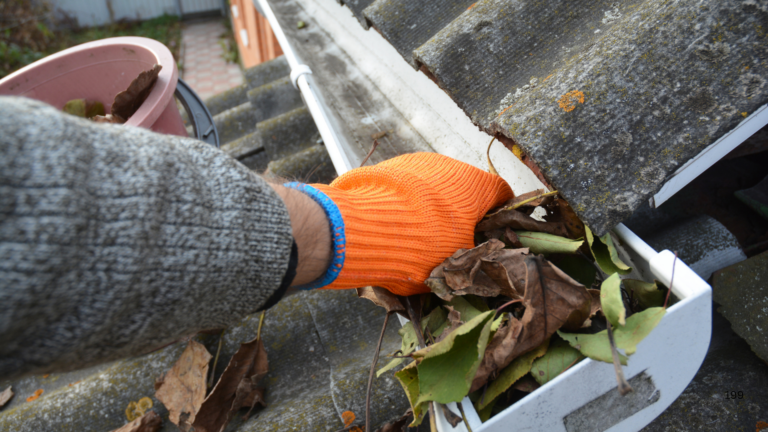
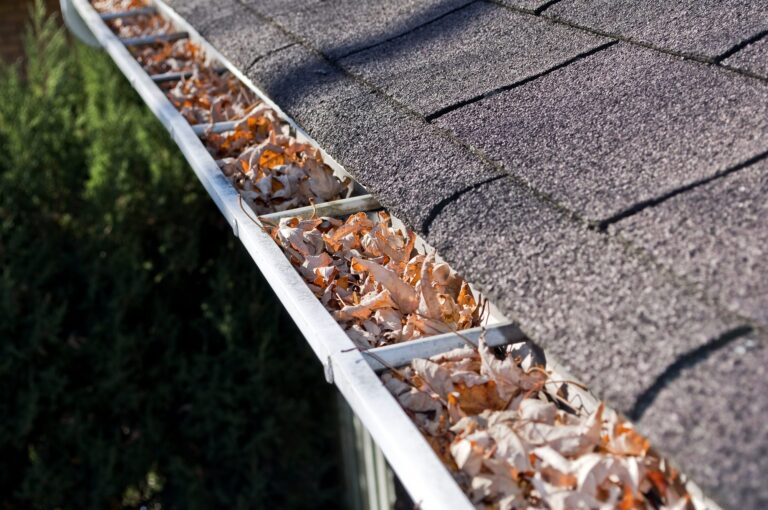
Clogged gutters that require cleaning more than twice a season are often a sign of deeper issues.
If your gutters are constantly overflowing during rain, it means they’re not functioning effectively.
Gutter guards or screens may no longer be enough to prevent blockages when the system is aged or damaged.
Overflow gutters can lead to water damage on exterior walls and even seepage into the basement.
Debris buildup, including leaves, twigs, and shingle grit, may indicate poor slope or outdated design.
If cleaning the gutters offers only temporary relief, the system may be too compromised to save.
Water spilling over the sides instead of flowing to the downspouts is a key replacement indicator.
Overflow from clogged gutters can ruin landscaping, erode soil, and damage walkways.
Signs like water streaks on siding or peeling paint under the eaves suggest repeated overflows.
Standing water in the gutter channels increases the risk of rust, insect breeding, and mold.
Overflow gutters often lose their pitch due to long-term sagging or structural weakness.
Frequent clogs might be a result of narrow gutters that can’t handle current rainfall volumes.
Gutters that trap ice dams during winter may indicate poor water flow caused by internal clogs.
If overflow occurs despite routine gutter cleaning, replacement may be more cost-effective long-term.
Chronic clogging is not just a nuisance—it’s often a red flag that a full gutter replacement is overdue.
Rust, Cracks, and Holes Along the Gutter Line
Noticing rust spots, cracks, or visible holes in your gutter system is a major warning sign that a full replacement may be necessary. Rusted gutters are especially common in older galvanized steel systems and can quickly escalate if left unaddressed. These imperfections weaken the gutter structure and allow water to escape before it reaches the downspouts. Cracks and holes—whether small or large—can lead to steady leaks that damage the fascia, siding, and foundation of your home. While patching small areas may offer temporary relief, widespread damage typically signals that the entire system is deteriorating. Repeated rust patches or ongoing corrosion are clear signs that the gutter material has reached the end of its service life.
Holes in gutters can also be caused by constant exposure to standing water, poor drainage, or ice expansion in colder climates. As water leaks from these openings, it often stains exterior walls and contributes to mold or mildew growth. In some cases, you may even see water dripping from the seams during light rain, which indicates multiple points of failure. If your gutters show a combination of rust, cracks, and holes throughout the system, it’s more cost-effective to replace them entirely than to continue with frequent repairs. A new gutter system will not only restore full functionality but also prevent costly water damage to your home’s exterior.
Water Damage Around the Foundation or Basement
If you’ve noticed puddles forming near the base of your home or signs of water seepage in the basement, it may be due to poor gutter drainage. A failing gutter system can allow rainwater to spill directly onto the ground, saturating the soil around your foundation. Over time, this excess moisture leads to basement water damage, cracking concrete, and weakening the structural integrity of your home. Even small foundation issues can develop into serious problems if water is consistently pooling along the perimeter. Gutter overflow or misdirected runoff is often the root cause of these issues, especially when downspouts are clogged or misaligned.
In addition to water intrusion, poor drainage can cause soil erosion that compromises the footing of your home. Signs like musty odors, damp walls, or visible water stains in your basement may indicate long-term gutter failure. If your gutters are contributing to these problems despite ongoing cleaning or minor repairs, it’s a strong indication that a full gutter replacement is necessary. Upgrading to a modern system with improved drainage capacity and proper downspout positioning can help protect your basement and foundation from further damage. Addressing this issue early can save you thousands in foundation repairs and safeguard your home’s long-term value.
Peeling Paint, Rotting Fascia, or Mold Growth
Peeling paint around the roofline or exterior walls can be a subtle but clear indication that your gutter system is failing. When gutters leak or overflow, water tends to run down the siding, leading to water stains, bubbling paint, and eventual surface damage. This excessive moisture doesn’t just affect appearance—it opens the door for deeper structural problems. One of the most vulnerable areas is the fascia board, which sits directly behind the gutters and provides structural support. Constant exposure to moisture causes fascia board rot, weakening your roof’s edge and compromising the mounting integrity of the gutter system itself.
In addition to rotting wood, misdirected water can promote mold growth along the soffit, siding, and even inside attic spaces. Black streaks or green patches near the roofline are strong indicators that water is leaking where it shouldn’t. Mold from gutters often spreads quickly in damp environments and can pose health risks to residents if it seeps indoors. These visual cues should not be ignored, especially when combined with sagging gutters or soft fascia boards. If you’ve repainted multiple times or patched rotten wood repeatedly, replacing the entire gutter system may be the only long-term solution. A properly installed new gutter system with sealed joints and adequate drainage can eliminate these problems at the source.
Age of Your Current Gutter System
Knowing the age of your current gutter system is a crucial step in determining whether it’s time for a full replacement. Even if visible damage is minimal, gutters that have surpassed their average lifespan are more prone to leaks, sagging, and structural failure. Different materials offer varying levels of durability, and once they reach the end of their life expectancy, continued repairs often become more expensive than replacing the entire system.
Use the table below to evaluate your gutter system based on material type:
| Gutter Material | Average Lifespan | Replacement Indicator Signs |
|---|---|---|
| Vinyl Gutters | 10–15 years | Warping, cracking, discoloration |
| Aluminum Gutters | 20 years | Dents, seam separation, leaks |
| Steel Gutters | 15–20 years | Rust spots, corrosion, holes |
| Copper Gutters | 50+ years | Patina surface, joint fatigue |
| Zinc Gutters | 30–40 years | Joint separation, structural wear |
Seam Separation and Gutter Joint Leaks
Seam separation is a common issue in older, sectional gutter systems. These gutters are constructed in pieces and joined together at seams, which are often the first areas to fail. Over time, temperature fluctuations, water pressure, and general wear cause the joints to loosen, resulting in persistent leaks. Leaky gutter joints allow water to escape before it reaches the downspouts, leading to foundation saturation, wall staining, and mold issues. Even with repeated caulking or sealing, these areas often reopen during heavy rainfall or seasonal expansion. When multiple seams begin to fail, it becomes harder to maintain water flow efficiency throughout the entire system.
In contrast, seamless gutters offer a much more durable and leak-resistant solution. If you’re constantly dealing with water dripping from jointed sections or noticing misalignment between pieces, your gutters may be beyond repair. Seam failure not only affects performance but also increases the risk of fascia damage and siding rot. Replacing your old sectional gutters with seamless systems can eliminate these weak points entirely and drastically improve long-term functionality. Seamless gutters are custom-cut to fit your home, reducing the chances of leaks and minimizing maintenance. If your gutters are leaking at multiple joints despite past fixes, it’s a strong indication that full gutter replacement is the smarter long-term choice.
Insect Infestations or Animal Nesting
When gutters become clogged or damaged, they often turn into ideal breeding grounds for pests and wildlife. Stagnant water trapped in clogged gutters can attract mosquitoes, which breed in even the smallest amounts of standing water. In addition, decaying leaves and organic debris inside your gutters create a moist, sheltered environment for insects like ants, wasps, and spiders. Over time, you may notice increased insect activity around the roofline or even inside your home. This buildup can also lure larger pests, especially when the gutters are open or improperly sealed.
Bird nests, squirrel homes, and even raccoon activity are common signs that animals have made a home in your gutters. These nests not only block water flow but can also damage the gutter material and cause sagging. Pests in gutters may chew through fascia boards or enter attic spaces, leading to even more extensive problems. If your gutters are frequently becoming a habitat for unwanted guests despite regular cleaning, this likely signals a deeper structural issue. Replacing your system with modern gutters equipped with guards or covers can help prevent future infestations. When your gutters become a haven for pests or animals, it’s more than a nuisance—it’s a serious sign that a full gutter replacement is overdue.
Storm Damage or Hail Impact
Post-Storm Gutter Assessment
After a heavy storm or severe weather event, one of the first areas to inspect is your gutter system. Strong winds, heavy rainfall, and especially hail can cause major damage that compromises both the appearance and function of your gutters. Storm-damaged gutters often exhibit bent sections, dislodged hangers, or dents that disrupt the natural flow of water. In some cases, gutters may even detach completely from the fascia due to the force of high winds or fallen branches. Hail is particularly damaging to metal gutters, leaving behind visible dings and weakened areas where rust can develop. These impacts may not always result in immediate failure, but they significantly shorten your gutter system’s lifespan. If you notice any of these signs, especially after back-to-back storms, emergency gutter replacement may be the only reliable option. Ignoring post-storm issues can lead to water backup, roof leaks, and costly repairs down the line.
Signs of Hail Damage to Gutters
Visible dents or pockmarks along the gutter channels
Bent or warped sections preventing proper water flow
Paint chipping or exposed metal where hail has hit
Loose or separated gutter joints after a storm
Water pooling at the base of your home following rainfall
Downspouts detached or misaligned from gutter troughs
Sagging areas from impact pressure or debris weight
Cracked or torn gutter seals at joints and corners
Leaks appearing only after storms or high-volume rain
Dirt splashed on siding from overflowing gutters
Granule buildup from roofing shingles inside gutters
Water overflowing despite recent cleaning
Rust forming in newly exposed metal dents
Gutters vibrating or making noise in wind after storm
Debris caught in bent or twisted gutter sections
Outdated Gutter Design or Poor Fit for Your Home
If your gutters were installed more than a couple of decades ago, chances are the design is outdated and no longer meets the needs of your home. Older gutter systems often have narrower troughs and smaller downspouts that can’t handle the volume of water from today’s intense storms. Additionally, early gutter installations were typically sectional, making them more prone to leaks, seam separation, and inefficient drainage. Outdated gutters can also clash with the aesthetics of your home, reducing curb appeal and possibly affecting resale value. A poor gutter fit—either from improper slope, alignment issues, or mismatched materials—can lead to water overflow and roof edge damage.
Modern gutter systems, particularly seamless gutters, offer a more efficient and visually appealing alternative. Seamless gutter upgrades eliminate the weak points found in older sectional designs and provide a cleaner, more customized look. They also come in a variety of styles and colors to match your home’s exterior. If your current gutters are visibly dated, constantly in need of repair, or simply don’t complement your home’s roofline, it’s a sign that replacement is due. Replacing an outdated or poorly fitted gutter system with a modern solution improves both function and form. Homeowners who invest in seamless systems typically experience fewer leaks, better water control, and enhanced long-term performance.
When Repair Costs Start Adding Up
Frequent gutter repairs can quickly add up, making it important to evaluate whether you’re spending more on fixes than it would cost to install a new system. If you find yourself constantly patching leaks, rehanging loose sections, or resealing seams, these costs can quietly pile up over time. While small repairs may seem affordable at first, the long-term expenses often exceed the price of a full replacement. Beyond the monetary aspect, ongoing issues can expose your home to water damage, requiring even more costly structural repairs. When repairs become routine rather than occasional, it’s a strong indication your gutter system is nearing the end of its functional life.
Opting for a full replacement not only puts an end to recurring repair bills but also provides peace of mind with a more reliable and modern solution. Affordable gutter solutions, like seamless aluminum systems, offer durability and reduced maintenance for years to come. By investing in a new system, you avoid the unpredictability and risks that come with an aging and compromised gutter setup. It’s a smarter long-term choice that protects your home, enhances performance, and increases property value. When the cost of keeping your old gutters going rivals the cost of a brand-new system, replacement is the most practical decision.