When it comes to protecting your home from water damage, gutters play a more important role than many homeowners realize. The type of gutter material you choose will directly affect your home’s durability, maintenance needs, and even curb appeal. Among the most popular options are copper gutters and aluminum gutters, each offering unique benefits depending on your goals and budget. Copper is well-known for its premium look and longevity, while aluminum is celebrated for its affordability and versatility. Choosing between these two materials often comes down to balancing cost against long-term value. Understanding the pros, cons, and performance of both will help you make the best decision. In this article, we’ll explore every aspect of the copper vs. aluminum gutters comparison to help you decide which fits your budget and lifestyle.
Why Your Choice of Gutter Material Matters
Your gutters are more than just a functional system for directing rainwater—they also influence your home’s structure, foundation, and overall value. The wrong choice could mean higher long-term expenses due to frequent repairs, replacements, or water-related damages. Opting for durable and suitable materials ensures protection against leaks, clogs, and corrosion, especially in regions with harsh weather. Copper gutters are often seen as a luxury upgrade, while aluminum gutters provide reliable performance at a fraction of the cost. Both can work well, but the right fit depends on your climate, budget, and long-term goals. Additionally, gutters contribute to curb appeal, making material choice an important aesthetic consideration. When you invest wisely, you ensure not only protection but also a boost in your home’s value.
Copper Gutters: A Premium Choice
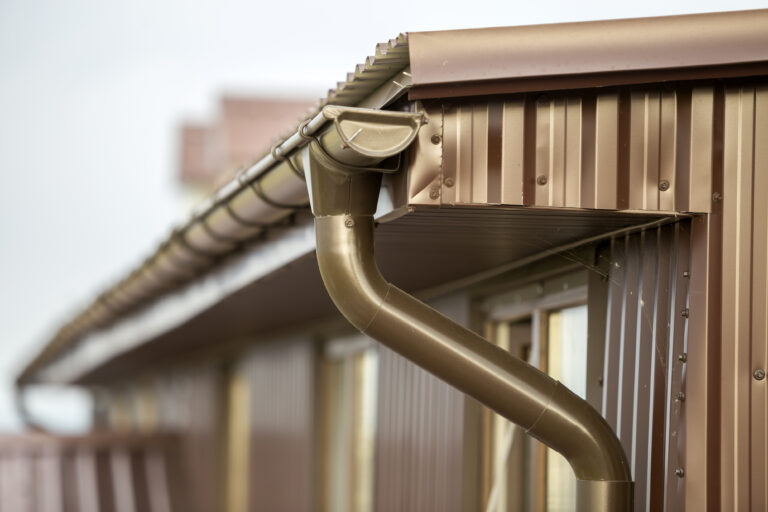
Copper gutters are often viewed as the gold standard in gutter systems, thanks to their luxury appeal and remarkable durability. These gutters naturally resist rust and corrosion, making them ideal for long-term performance. Unlike other materials, copper develops a natural patina finish over time, which many homeowners love for its rustic charm. While their initial cost is significantly higher than aluminum, copper gutters require very little maintenance, reducing long-term expenses. Because of their strength, they can handle harsh weather conditions, including heavy rain and snow, without warping or cracking. Copper gutters also increase property value, which can make them a worthwhile investment if you plan to stay in your home for decades. However, they do require professional installation due to their weight and complexity.
Pros of Copper Gutters
Exceptional durability and longevity, often lasting over 50 years.
Resistant to rust, corrosion, and warping.
Adds luxury appeal and boosts property value.
Develops a unique patina finish over time.
Minimal maintenance required compared to other gutters.
Handles harsh weather, including heavy snow and rainfall.
Eco-friendly material that can be recycled.
Rarely needs painting or sealing.
Stronger than most other gutter materials.
Provides a timeless, high-end aesthetic.
Increases curb appeal significantly.
Excellent resistance against temperature fluctuations.
Low likelihood of sagging or denting.
Offers a custom, artisan-crafted appearance.
Long-term investment with high return value.
Cons of Copper Gutters
High upfront cost compared to aluminum.
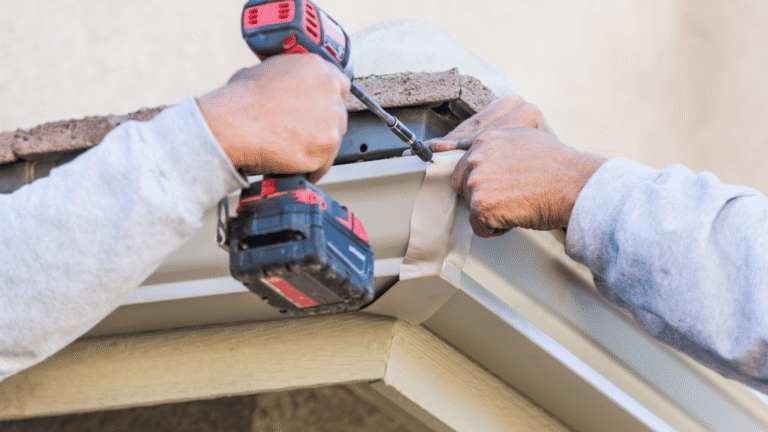
Requires professional installation due to weight.
Not budget-friendly for average homeowners.
Can be stolen for scrap value.
Limited color customization (patina is the main finish).
Slower installation process.
Requires specialized contractors.
Incompatible with some cheaper roofing materials.
Overinvestment risk if selling a home soon.
May be unnecessary for moderate climates.
Aluminum Gutters: Affordable and Reliable
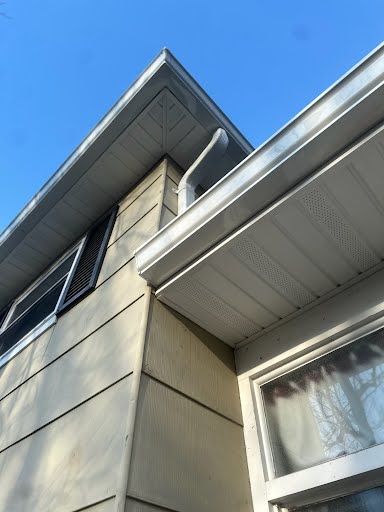
Aluminum gutters remain the most popular choice among homeowners due to their balance of affordability and functionality. They are lightweight, easy to install, and available in a wide variety of colors and styles. Many contractors recommend aluminum gutters because they are cost-effective and versatile enough to match different home designs. Unlike steel, aluminum doesn’t rust, making it a reliable choice in regions with frequent rainfall. They are also available in seamless gutter designs, which reduce the risk of leaks. While aluminum doesn’t last as long as copper, it can provide solid performance for 20 years or more with proper maintenance. Homeowners who are budget-conscious but still want dependable performance often find aluminum gutters the most practical option.
Pros of Aluminum Gutters
Affordable compared to copper.
Lightweight and easy to install.
Available in multiple color options.
Resistant to rust and corrosion.
Can last 20+ years with proper care.
Compatible with seamless gutter systems.
Easy to repair and replace if damaged.
Suitable for DIY installation in some cases.
Customizable to fit different home styles.
Requires less specialized labor.
Widely available and accessible.
Handles moderate weather conditions well.
Lower upfront cost for homeowners on a budget.
Less risk of theft compared to copper.
Faster installation process.
Cons of Aluminum Gutters
More prone to dents and bending.
Shorter lifespan compared to copper.
May warp under heavy snow or heat.
Requires more frequent maintenance.
Less luxurious appearance.
May fade or chip over time.
Lower return on long-term investment.
Susceptible to clogging if not cleaned regularly.
Can leak if seams are not sealed properly.
May sag under heavy rain without reinforcement.
Copper vs. Aluminum Gutters: Cost Comparison
| Feature | Copper Gutters | Aluminum Gutters |
|---|---|---|
| Initial Cost | $$$$ (High) | $ (Low) |
| Average Lifespan | 50+ years | 20–25 years |
| Maintenance Needs | Low | Moderate |
| Appearance | Luxury, patina | Versatile colors |
| Installation Difficulty | Professional | Easier/DIY possible |
| ROI (Long-Term Value) | High | Moderate |
Durability and Lifespan: Which Lasts Longer?
Durability is a key factor in the copper vs. aluminum gutters debate, and copper clearly comes out on top. With a lifespan of over 50 years, copper gutters are considered a once-in-a-lifetime investment for many homeowners. They resist rust, corrosion, and warping, meaning fewer repairs and replacements over the decades. Aluminum, while still durable, offers about half the lifespan at around 20 to 25 years with consistent care. It is more prone to denting from ladders, branches, or hailstorms, making it less ideal for harsh environments. However, aluminum remains practical for those looking for a short- to mid-term solution. If long-term durability and minimal maintenance are priorities, copper gutters are the clear winner. For homeowners prioritizing budget-friendly options, aluminum may still provide reliable performance.
Aesthetic Appeal: Curb Appeal and Home Value
One of the biggest differences between copper and aluminum gutters lies in aesthetics. Copper gutters provide a timeless, high-end appearance that evolves with age as the metal develops a greenish-blue patina. This unique look enhances the charm of historic and luxury homes, often making them a centerpiece of the exterior. Aluminum gutters, on the other hand, are highly versatile with dozens of colors and finishes to match modern or traditional homes. While they don’t have the same natural aging beauty as copper, they can be painted or customized to suit homeowner preferences. Curb appeal is often a deciding factor, especially if you’re investing in your home’s resale value. Copper offers unmatched elegance, while aluminum provides flexibility at a fraction of the cost. Both can improve home value, depending on the buyer’s taste.
Maintenance Requirements: Copper vs. Aluminum Gutters
Copper Gutter Maintenance
Rarely needs repainting or sealing.
Self-protects with natural patina.
Fewer clogging issues due to durability.
Long-term cost savings on repairs.
Only requires occasional cleaning.
Aluminum Gutter Maintenance
May need repainting or touch-ups over time.
Requires more frequent cleaning.
Susceptible to dents and bends needing repair.
Seams may require resealing.
Higher maintenance costs over decades.
Climate Considerations: Which Performs Better in Different Regions?
The climate where you live should heavily influence your choice of gutter material. Copper gutters excel in harsh climates, including coastal areas with salty air, snowy regions, and homes exposed to extreme weather fluctuations. They remain unaffected by corrosion and withstand heavy loads with ease. Aluminum gutters perform well in moderate climates, where rainfall and snow are less severe. However, they may warp or dent in extreme cold or heat, reducing their efficiency. In coastal environments, aluminum may corrode faster unless it’s coated or treated. For homeowners in storm-prone or snowy areas, copper offers a better long-term solution, while aluminum remains a reliable and affordable choice for temperate regions. Matching the gutter material to your local conditions ensures performance and longevity.
Environmental Impact and Sustainability
With eco-friendly living becoming more important, considering the sustainability of gutter materials is essential. Copper is fully recyclable and has an incredibly long lifespan, which means fewer replacements and less waste over time. Its durability also reduces the environmental footprint of repeated manufacturing and installation. Aluminum, while less durable, is also recyclable and widely reused in construction materials. However, because aluminum gutters may need to be replaced more frequently, they generate more waste compared to copper. Both options are environmentally conscious, but copper stands out as the more sustainable choice due to its longevity. For eco-minded homeowners, copper gutters align with sustainable living practices, while aluminum provides a more budget-friendly but still recyclable option.
Making the Right Choice: Factors to Consider Before You Decide
Upfront budget and long-term savings.
Expected lifespan of the gutter system.
Aesthetic preferences (luxury vs. customizable finishes).
Climate and regional weather conditions.
Home style and architectural design.
Maintenance willingness and availability.
Potential resale value impact.
Environmental considerations.
Professional installation costs.
Risk of theft in your area.
DIY installation possibilities.
Frequency of heavy rainfall or snow.
Desire for premium vs. practical materials.
Long-term return on investment.
Personal lifestyle and homeownership plans.
Conclusion:
When comparing copper vs. aluminum gutters, the decision ultimately comes down to balancing cost, aesthetics, and long-term value. Copper gutters stand out for their unmatched durability, timeless beauty, and minimal maintenance, making them ideal for homeowners looking for a premium, long-lasting solution. Aluminum gutters, however, remain the most practical choice for homeowners seeking affordability, versatility, and reliable performance. Both options protect your home, boost curb appeal, and provide essential drainage solutions. If you want to invest in long-term value and luxury, copper is the clear winner. If budget and flexibility are your main priorities, aluminum is an excellent choice. Either way, consulting with a professional gutter installation expert ensures you get the best system for your home.
Podcast: Play in new window | Download