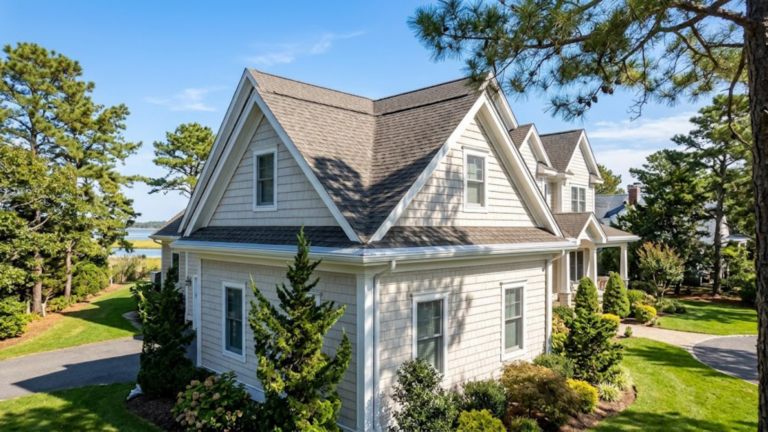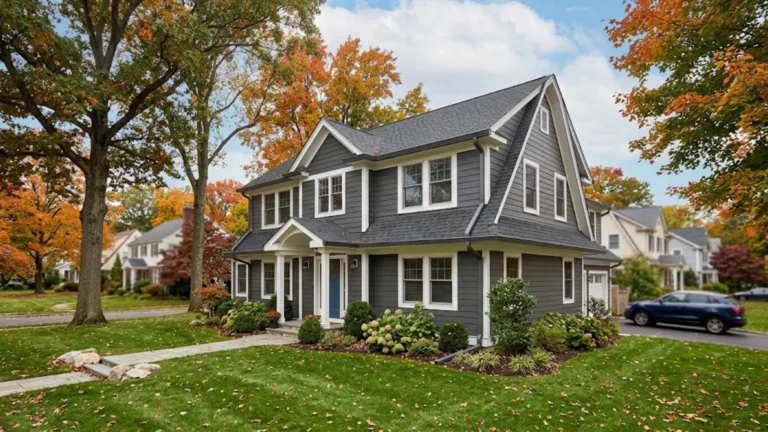
Most homeowners treat gutters as a purely functional afterthought. However, the wrong drainage system immediately disrupts a clean roofline. Choosing gutters that complement your home’s architecture transforms a basic necessity into a striking design feature. Moreover, modern drainage systems now act like custom exterior trim. They frame your roof edges with intentional precision. Consequently, your entire facade gains instant visual balance and lasting curb appeal.
Furthermore, architectural gutters protect your siding, foundation, and landscaping from heavy water runoff. Instead of clashing with your exterior, the right system enhances your home’s authentic character. Therefore, smart homeowners evaluate both beauty and performance before scheduling an installation.
Why Architectural Harmony Matters in Gutter Selection
Every architectural era relies on specific proportions, angles, and surface textures. For instance, steep roof pitches and ornate fascia boards demand very different trim than flat, minimalist roofs. Thus, your gutter profile must mirror your home’s existing lines. Additionally, balanced proportions prevent the roof edge from looking overly bulky or awkwardly thin.
Popular Gutter Profiles and Their Best Architectural Matches
Selecting the right gutter shape sets the visual tone for your entire exterior. Fortunately, three primary profiles cover almost every residential design style.
K-Style Gutters: The Crown Molding Classic
K-style gutters feature a flat back and a decorative, curved front edge. Specifically, this ogee contour mimics traditional interior crown molding. As a result, K-style troughs pair naturally with Colonial Revival, Cape Cod, and classic suburban homes. Furthermore, their flat backs attach directly to fascia boards without requiring heavy external brackets.
Half-Round Gutters: Timeless European and Historic Charm
Half-round gutters feature a smooth, semicircular trough with a rolled outer lip. Historically, builders installed these rounded channels on pre-1950s estates across Europe and North America. Today, half-round systems elevate Victorian, Craftsman, Tudor, and Spanish Mission exteriors. Moreover, visible decorative brackets secure these troughs, adding authentic craftsmanship to the eaves.
Box and Fascia Gutters: Sleek Lines for Contemporary Homes
Box gutters and custom fascia profiles feature sharp, geometric right angles. Consequently, they eliminate ornate curves and deliver clean, uninterrupted horizontal lines. Architects frequently specify box gutters for mid-century modern, contemporary, and minimalist builds. In addition, oversized box channels handle massive water volumes from expansive flat or low-slope roofs.
Matching Gutter Materials to Your Home’s Era and Exterior
Beyond shape, your chosen metal dictates texture, longevity, and visual warmth. Consider these four premier materials for your exterior upgrade:
- Seamless Aluminum: Contractors roll-form aluminum on-site to eliminate unsightly seams. Furthermore, manufacturers offer dozens of baked-on enamel colors that suit traditional and modern homes alike.
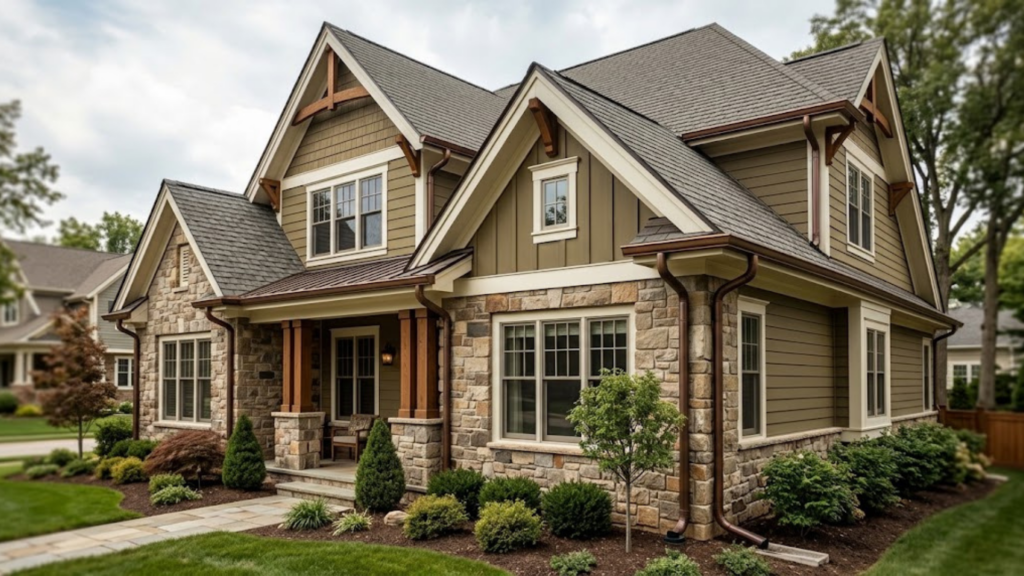
- Natural Copper: Copper delivers unmatched Old-World elegance for historic, Tudor, and luxury stone estates. Over time, exposure to weather transforms its bright shine into a rich, earthy brown and verdigris patina.
- Galvalume and Steel: Galvalume combines steel with aluminum and zinc for superior strength. Therefore, its crisp metallic sheen complements modern farmhouses, industrial lofts, and metal roofs.
- Architectural Zinc: Zinc naturally develops a soft, matte gray patina that heals minor scratches over time. Consequently, it harmonizes effortlessly with slate roofs, limestone facades, and coastal architecture.
Architectural Style-to-Gutter Quick Reference Guide
Use the comparison table below to match your home’s design with the ideal gutter system.
| Architectural Style | Best Gutter Profile | Recommended Material | Trending Color / Finish |
| Modern Farmhouse | K-Style or Box | Galvalume or Aluminum | Matte Black or Dark Bronze |
| Colonial & Georgian | K-Style | Painted Aluminum or Copper | Warm White or Cream |
| Craftsman & Bungalow | Half-Round | Copper or Heavy Aluminum | Weathered Bronze or Forest Green |
| Victorian & Historic | Deep Half-Round | Copper or Zinc | Natural Patina or Slate Gray |
| Contemporary & Minimalist | Box or Custom Fascia | Steel or Seamless Aluminum | Charcoal or Color-Matched Trim |
Trending Gutter Color Strategies: Blend In or Stand Out?
Color placement dramatically changes how observers perceive your roofline from the street. Currently, exterior designers rely on three distinct color strategies.
The “Disappearing Gutter” Technique
First, you can match your gutter color directly to your fascia board and soffit trim. Consequently, the drainage channel vanishes against the roofline. This seamless approach works wonders on busy exteriors with patterned brick, multi-toned stone, or intricate gingerbread trim.
High-Contrast Architectural Framing
Conversely, dark gutters create bold geometric outlines against light exteriors. For example, matte black or dark bronze gutters pop strikingly against crisp white board-and-batten siding. Thus, modern farmhouses and transitional homes frequently use dark troughs to accentuate sharp roof peaks.
Warm Metallics and Biophilic Earth Tones
Finally, nature-inspired hues bridge the gap between your home and surrounding landscaping. Specifically, deep forest greens, burnished bronzes, and weathered coppers blend organically with cedar shakes, natural stone, and wooded lots.
Balancing Aesthetic Appeal with Roof Pitch and Rainfall Capacity
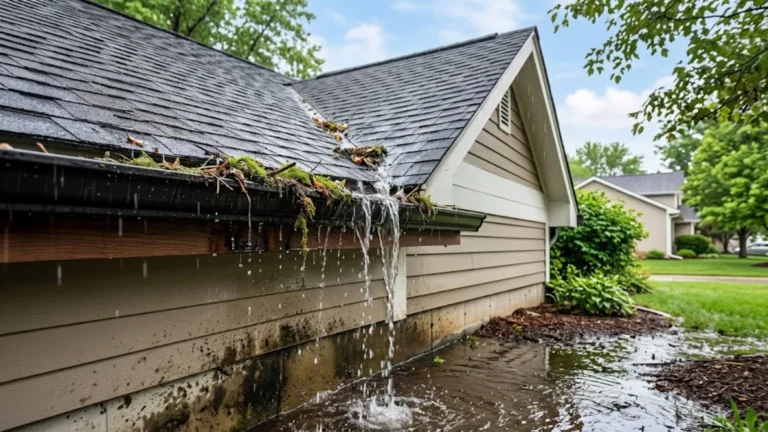
Even the prettiest gutter fails if rainwater overflows during a heavy storm. Therefore, you must balance exterior style with hydraulic performance. Follow these three essential sizing rules to protect your home:
- Upgrade to 6-Inch Troughs on Steep Roofs: Steeply pitched roofs accelerate rainwater velocity during downpours. Consequently, 6-inch gutters capture fast-moving water far better than standard 5-inch channels.
- Choose Seamless Fabrication: Sectional gutters rely on dozens of connectors that eventually leak and sag. Instead, seamless gutters run continuously from corner to corner, preserving crisp horizontal lines.
- Calculate Roof Surface Area: Large, complex rooflines channel massive water volumes into single valleys. Accordingly, wide troughs and oversized downspouts prevent damaging water spillover near your foundation.
Architectural Details That Elevate Your Drainage System
Thoughtful accessories turn ordinary water management into genuine architectural jewelry. Consider adding these refined upgrades:
- Smooth Round Downspouts: Replace standard corrugated rectangular pipes with smooth round conductors on historic or upscale facades.
- Decorative Collector Boxes: Install stamped metal leader heads at roofline transitions for Old-World charm and improved water venting.
- Artisanal Rain Chains: Swap corner downspouts for copper or blackened-steel rain chains near porches, entryways, and garden beds.
- Low-Profile Gutter Guards: Select under-shingle micro-mesh guards that block pine needles and leaves while remaining invisible from the ground.
Common Gutter Design Mistakes That Hurt Curb Appeal
Avoid these frequent installation errors to keep your exterior looking cohesive and polished:
- Mixing Incompatible Eras: Never install sharp, boxy contemporary gutters on an ornate Victorian home. The clashing geometry immediately cheapens historic trim details.
- Poor Downspout Placement: Avoid running bright, contrasting downspouts straight down the center of a front brick facade. Instead, tuck vertical pipes neatly behind corner trim boards.
- Ignoring Galvanic Corrosion: Never connect copper gutters directly to galvanized steel downspouts. Dissimilar metals react chemically during rainstorms and cause rapid rusting.
- Choosing Stark White Against Dark Roofs: Bright white gutters often look harsh against dark charcoal shingles and earthy brick. Rather, choose softer creams, warm grays, or trim-matched neutrals.
Next Steps for Homeowners
Ultimately, choosing gutters that complement your home’s architecture rewards you with lasting structural protection and undeniable curb appeal. When profile, material, and color align with your roofline, your drainage system elevates the entire property. Before finalizing your project, request physical metal samples from a local seamless gutter specialist. Then, hold those swatches against your siding and fascia in natural daylight. Finally, partner with an experienced installer who respects both water engineering and architectural detail.
Other Post:
The Benefits of Installing Aluminum Gutters for Your NJ Home
Why Copper Gutters Are a Premium Upgrade for Luxury Homes in NJ
Half-Round Gutters in Hunterdon County: Is It Worth Upgrading?