Most homeowners don’t think about their gutters until something goes wrong. Yet those narrow channels running along your roofline quietly protect your home from some of the most expensive damage you could face—roof leaks, foundation cracks, mold growth, and even structural decay. The real question is: are your gutters protecting your money or slowly draining it?
If your gutters are clogged, damaged, or poorly maintained, the cost isn’t just cosmetic—it’s financial. And in many cases, the longer you wait, the more expensive the problem becomes.
Why Gutters Matter More Than You Think
Your gutter system is essentially your home’s drainage control center. When it rains, gutters collect water from the roof and direct it safely away from your house. Without this system, water would pour directly down exterior walls and pool around your foundation.
This may sound harmless, but over time it can lead to:
- Roof rot and shingle damage
- Basement flooding and dampness
- Soil erosion around your foundation
- Cracks in walls and structural instability
In short, a properly functioning gutter system prevents thousands of dollars in water damage repairs. A failing one does the opposite.
Warning Signs Your Gutters Are Quietly Costing You Money
Many gutter problems start small and go unnoticed until damage becomes visible inside the home. Watch for these red flags:
Water Overflow During Rain
If water spills over the sides during rainfall, your gutters are likely clogged or undersized. This overflow can damage siding and landscaping.
Sagging or Pulling Away
Gutters that sag or detach from the roofline indicate structural weakness—often caused by trapped debris or standing water.
Stains on Exterior Walls
Dark streaks or discoloration suggest water is not flowing properly and is instead running down your home’s exterior.
Mold, Mildew, or Musty Smells
Moisture buildup near your foundation or basement is often linked to poor gutter drainage.
Pooling Water Around the House
Standing water near your foundation is one of the most expensive warning signs, often leading to foundation repair costs.
If you notice even one of these issues, your gutters may already be costing you money.
The Real Cost of Ignoring Gutter Problems
What starts as a simple clog can quickly escalate into major home repair expenses. Here’s how the numbers typically compare:
| Issue | Estimated Cost |
|---|---|
| Gutter cleaning | Low ($100–$250) |
| Minor gutter repair | Moderate ($200–$600) |
| Roof water damage repair | High ($1,000–$5,000+) |
| Foundation repair | Very high ($3,000–$10,000+) |
| Mold remediation | Expensive ($2,000–$6,000+) |
A neglected gutter system doesn’t just create one problem—it triggers a chain reaction of damage throughout your home.
Common Gutter Problems That Drain Your Budget
Several issues are responsible for most gutter-related expenses:
Clogged Gutters
Leaves, dirt, and debris block water flow, causing overflow and roof damage.
Poor Installation
Incorrect slope or spacing prevents proper drainage and leads to standing water.
Rust and Corrosion
Metal gutters degrade over time, leading to leaks and holes.
Ice and Weather Damage
Seasonal expansion and contraction weaken gutter joints and fasteners.
Each of these problems increases long-term maintenance costs if not addressed early.
DIY Gutter Inspection Checklist
Regular inspection can save you from expensive repairs. You can check your gutters safely using this simple approach:
- Look for visible debris buildup from ground level
- Check for sagging sections after rainfall
- Inspect downspouts for proper water flow
- Look for stains or streaks on exterior walls
- Watch for pooling water around your foundation
Experts recommend checking gutters at least twice a year—typically in spring and fall.
DIY vs Professional Gutter Service: What’s Worth It?
While basic cleaning can be done yourself, not all gutter problems are DIY-friendly.
DIY is suitable for:
- Light debris removal
- Visual inspections
- Flushing minor clogs
Hire a professional when:
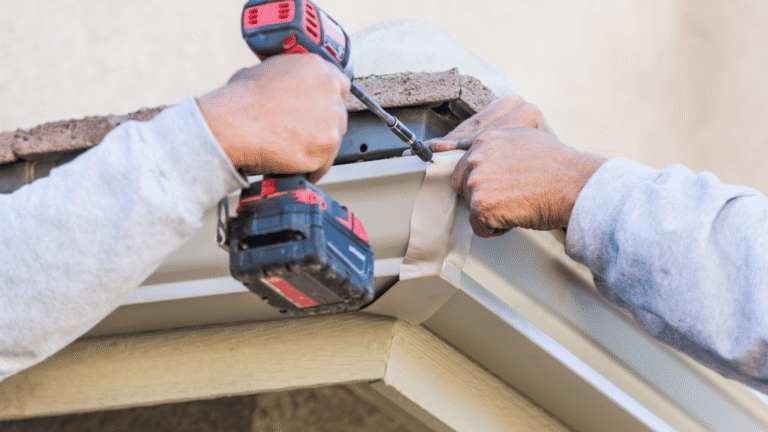
- Gutters are sagging or detached
- You notice persistent leaks
- Your home is multi-story or difficult to access
- Water damage signs are already visible
Professional services may cost more upfront, but they often prevent far more expensive repairs later.
How Proper Maintenance Saves You Money
Preventive care is the most cost-effective strategy for gutter management. A few simple habits can save thousands over time:
- Clean gutters at least twice a year
- Install gutter guards to reduce debris buildup
- Trim trees near your roofline
- Ensure downspouts direct water at least 3–5 feet away from your home
- Schedule annual professional inspections
Think of gutter maintenance as insurance for your home—it’s a small investment that protects major assets.
Final Thoughts: Don’t Let Your Gutters Drain Your Budget
Your gutters may seem like a minor part of your home, but they play a major role in protecting it. When they fail, the financial consequences can escalate quickly—from roof repairs to foundation damage.
The good news? Most of these issues are preventable with regular maintenance and early detection.
If your gutters haven’t been inspected recently, now is the time to act—before small problems turn into expensive repairs.
Frequently Asked Questions (FAQs)
How often should gutters be cleaned?
Most homes require cleaning at least twice a year—once in spring and once in fall.
What happens if gutters are not cleaned?
Clogged gutters can cause roof leaks, water damage, mold growth, and foundation issues.
Can I clean gutters myself?
Yes, for basic debris removal. However, complex issues or multi-story homes require professional help.
How do I know if my gutters need replacing?
Frequent leaks, rust, sagging, or separation from the roofline are strong indicators.
Are gutter guards worth it?
Yes, they reduce debris buildup and lower long-term maintenance costs.